BESSÓ Systems

Cases · the lens applied

The same move, in real operations.

Names and numbers are left out on purpose — what carries across is the pattern, not the logo. Each case started as something nobody could fully see, in a different industry, country and culture. The work was the same every time: make the operation legible — and a standard made visible, in the language of the floor, quietly pulls the real method back toward it. What changes is what legibility uncovers — and how people react once they can finally see.

01 Appliance / electronics mfg · Latin America · high-mix line

The standard, where the work happens
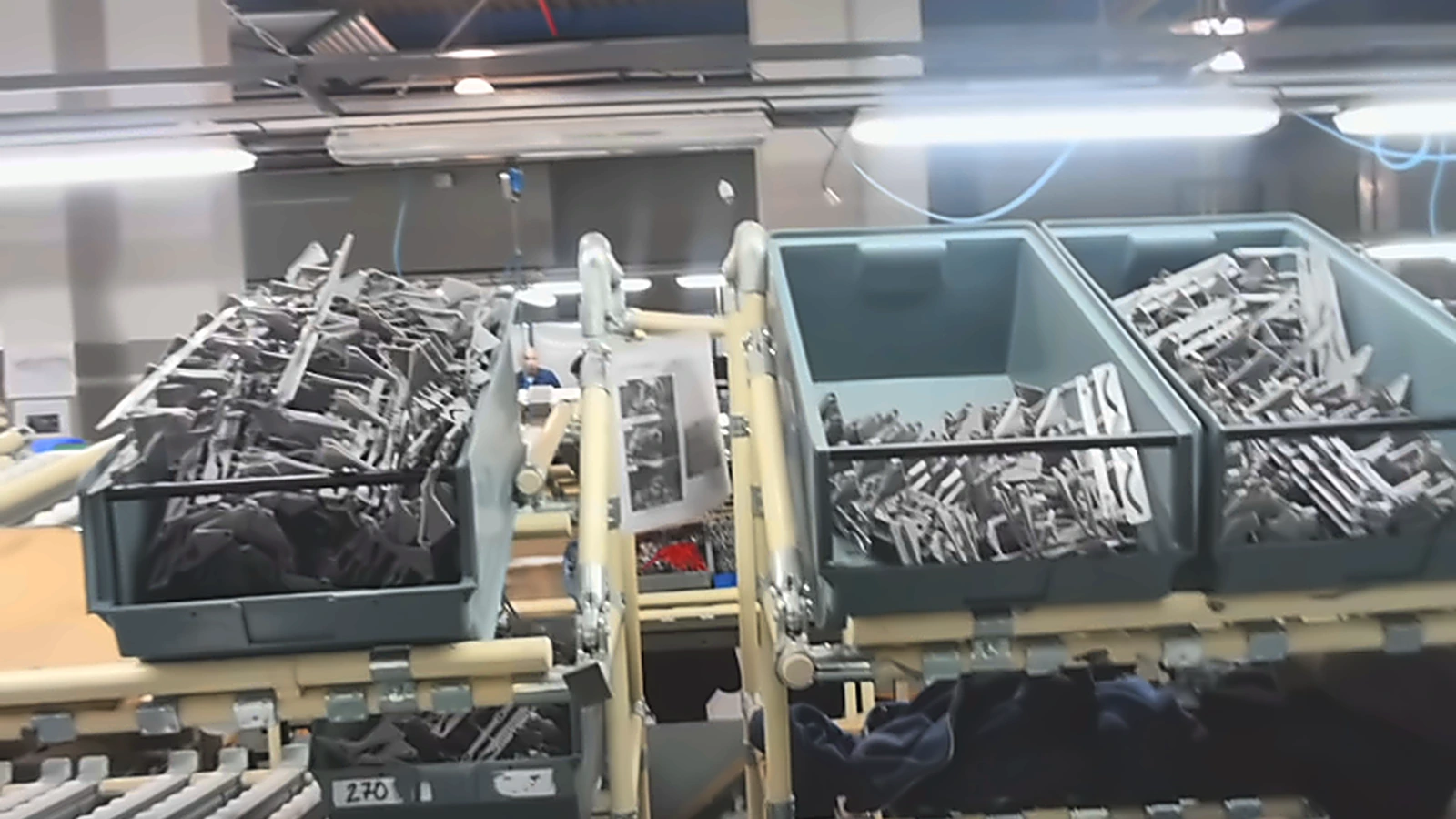
Parts bins with instruction reference visible at the assembly station
Context

Appliance / electronics manufacturing · Latin America · high-mix assembly line with a rotating operator base and a very large spare-parts catalogue. Work instructions existed — in binders, on a shared drive, in the memory of the longest-serving operator — but not where they were needed: at each section of the line, in the moment, for whoever was on shift. Paper instructions were handed out section by section; they got stained and worn, and took real effort to distribute and keep current. So the real method drifted from the documented one, and quality tracked whoever happened to be working that day.

Problems it surfaced

Documentation that exists but isn't legible at the point of use; the drift between the documented method and the real one; spare-part identification (many parts, many codes) with no reliable reference at hand; standard work treated as paperwork instead of visual management.

Outcomes & conclusions

The documentation was placed on screens at each section of the line — every station showing its current instruction right where the task is done, updated the moment the method changed. Zero budget: the monitors were pulled from scrap in the plant's own monitor-production area. People were skeptical at first; by the end they were asking for it. They leaned on it hardest for spare parts — checking features and part codes against the screen — and began flagging wrong documentation themselves, which pushed the team into structured, shared work instead of private know-how. The paper that used to stain and wear was gone; the line looked clean, ordered, deliberate — and stayed that way. The client's external audits read the change as 9001-compliant. The lesson under all of it: the resistance was never to change — it was to changing something invisible. Make the standard visible, literally at the post, and the same people who resisted start demanding it.
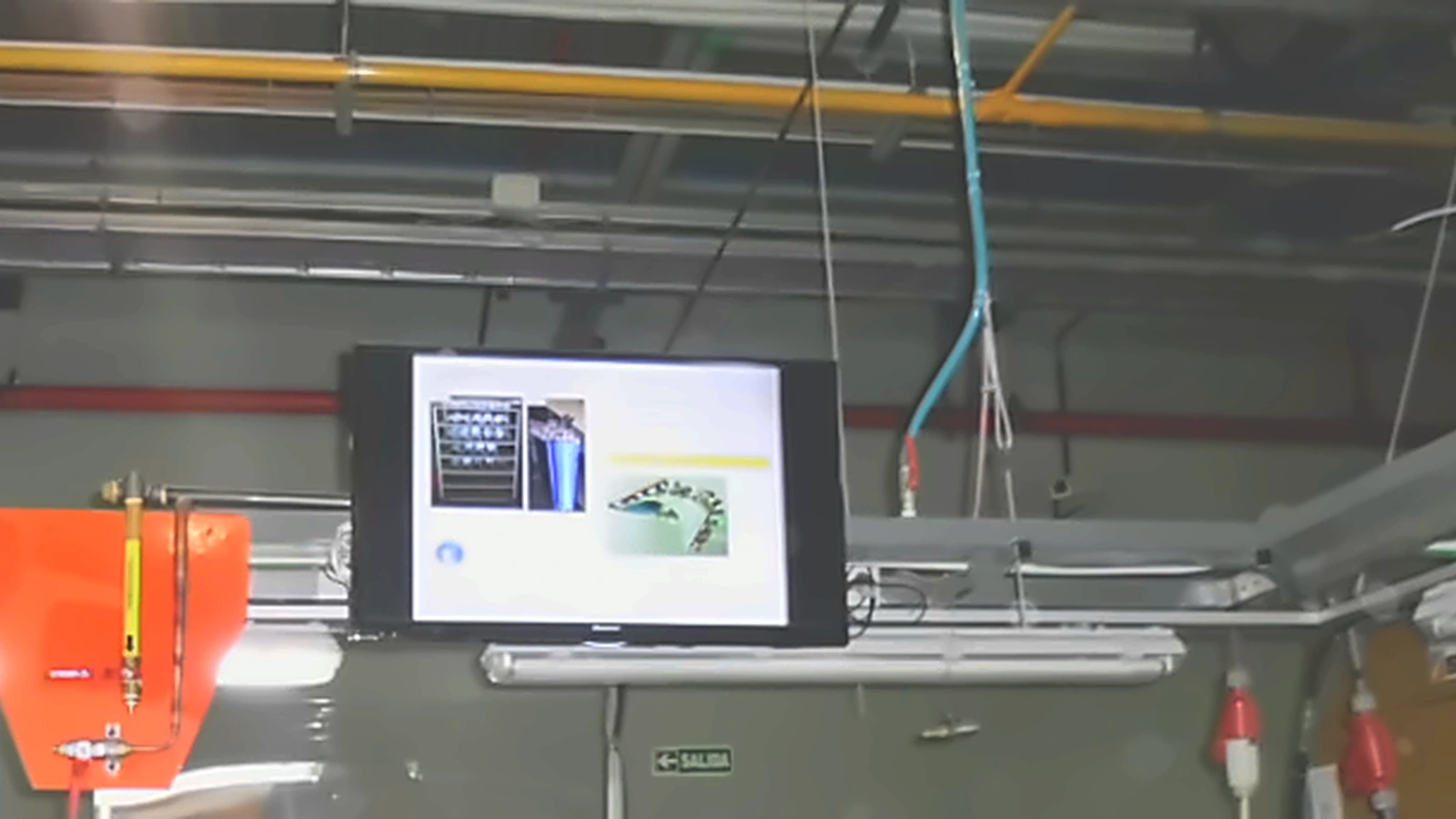
Close-up of the monitor screen displaying a digital work instruction at the workstation

Where this leads

Make the work legible enough and a second door opens: automation stops being a risk and becomes the obvious next step. You can only automate what you've already standardized — so the cleaner the standard, the safer the machine.

next, a robot enters the rhythm
02 Appliance / electronics mfg · Latin America · ~54 launches/yr

Automation the floor could actually run

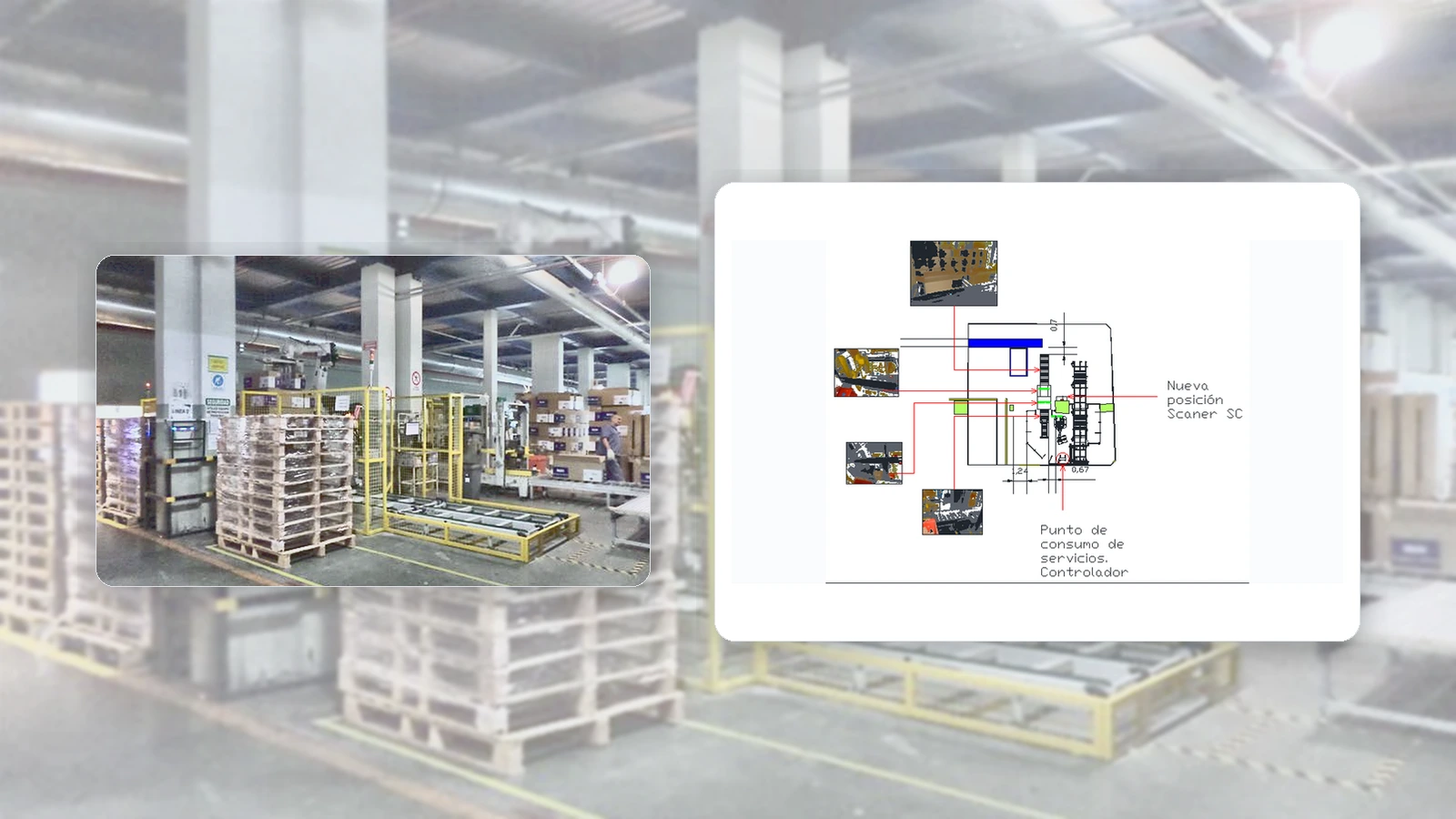
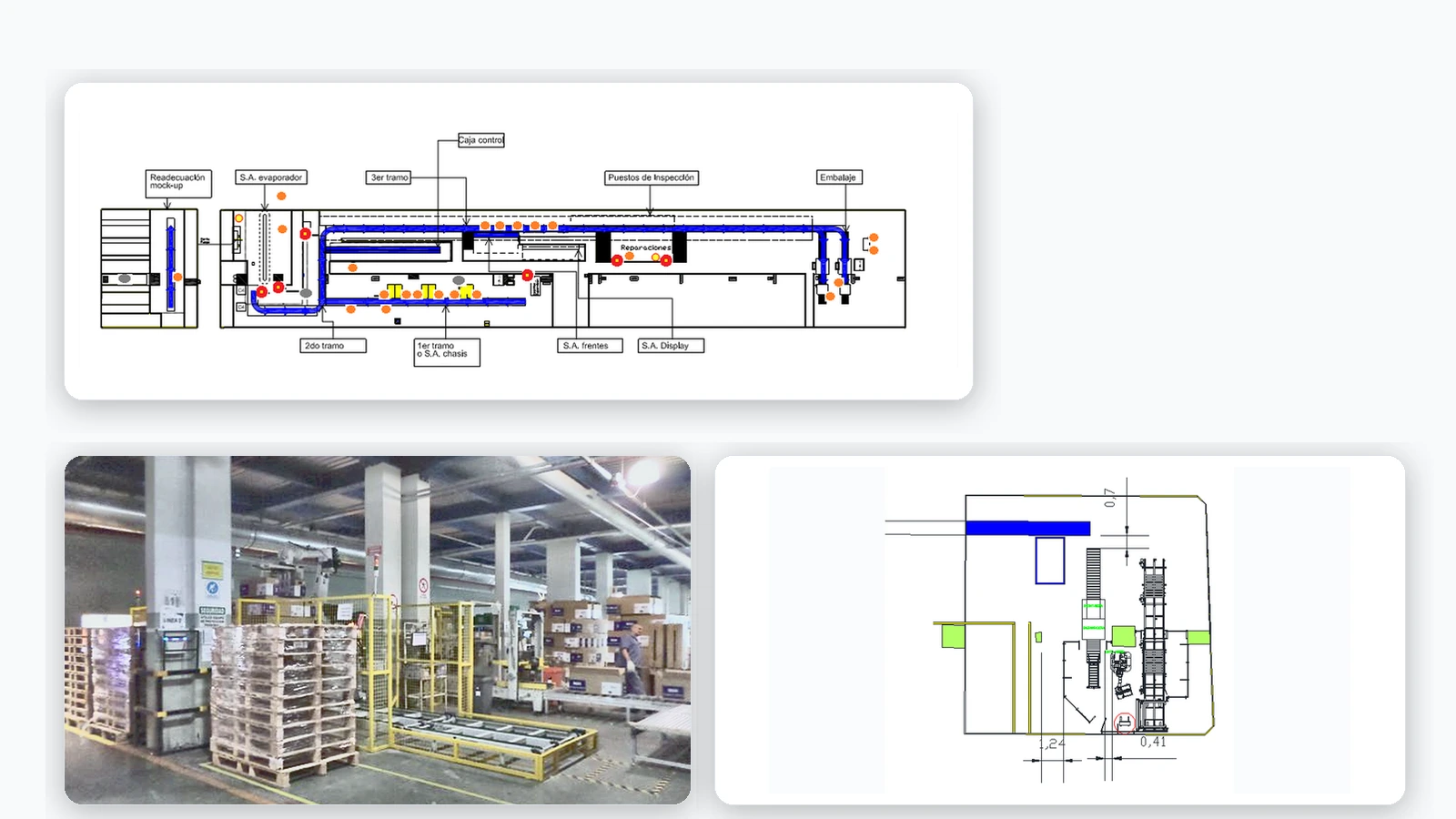
Cell layout plan and factory photos showing the robotic cell in the production floor
Context

Appliance / electronics manufacturing · Latin America · high-mix plant running ~54 product launches a year, with an established line and a rotating operator base. A new FANUC robotic cell had to enter that rhythm. The risk was never the robot — it was everything around it: a cell the floor couldn't run, sitting on a process that changed every few weeks.

Problems it surfaced

A cell the floor couldn't run on its own; changeover discipline across dozens of launches; standard work for a rotating operator base; the gap between installed and owned.

Outcomes & conclusions

The cell was taken end to end — layout, robot programming, the safety envelope, operator training — with one goal beyond "it works": make the cell legible to the people who'd live with it. What it does, where it stops, how to recover it, how to change it over for the next product. Automation that's understood is automation that survives the next launch. The cell became part of the floor's routine instead of an island only engineering could touch.

Production floor with annotated technical layout card showing cell positioning

But automation inherits what you measure

A machine built on a flattering number industrializes the lie. Automate an operation whose metrics look healthy but aren't, and you scale the problem instead of solving it — which is why the real work isn't the technology. It's measuring well enough to see the problem at all.

next, a metric that was hiding the problem
03 Building materials · Europe · energy-intensive

The metric that was hiding the problem

Context

Building materials · Europe · an energy-intensive, established plant with a traditional manufacturing culture — one that saw itself as a leader of change. The engagement led the plant through ISO 50001 certification. Under the certificate, an energy management system is really a discipline of measurement: you commit to watching numbers you used to ignore.

Problems it surfaced

A vanity OEE that looked healthy; rework formally defined as part of the standard process, so it never counted as a loss; cost masked by overtime; and beneath all of it, an implicit cultural resistance dressed as change-leadership. (Pull that thread and more incoherences follow.)

Outcomes & conclusions

The energy discipline is what pulled the thread. Watching consumption and cost against output, the production figures stopped adding up: the OEE was green, but the costs didn't behave like a green OEE does. Underneath, rework was defined as part of the standard process — so a reworked unit still counted as good and on-time, and OEE never saw it. Production leaned on that rework, plus overtime, to hit its targets. The rework never touched the metric everyone trusted; it quietly touched the cost line. Fixing the metric was the easy part. The hard part was what the metric protected: rework-as-process and overtime-as-normal weren't accidents — they were how a traditional culture preserved the status quo while calling itself a precursor of change. The resistance was never stated; it was encoded — in the categories, in the metrics, in what got counted as success. Making energy legible exposed that the OEE wasn't; making the OEE legible exposed the cost; the cost exposed the culture. Each layer of legibility uncovered the next. The most stubborn resistance to change is the kind that describes itself as leading it — invisible by design.

ENERGYmade legible OEEexposed as vanity COSTwhere rework hid CULTUREresisting, quietly EACH LAYER UNCOVERED THE NEXT

Each of these was made legible by hand.

Same order, new tools. The Lab is where AI extends these cases — without skipping the step that makes it safe.

See the Lab →