People don't resist change. They resist changing what they can't see.
Most industrial projects aren't lost on the technology. They're lost on an operation nobody can fully see — and a change that gets handed down on top of it.
What drives technology adoption in manufacturingread on
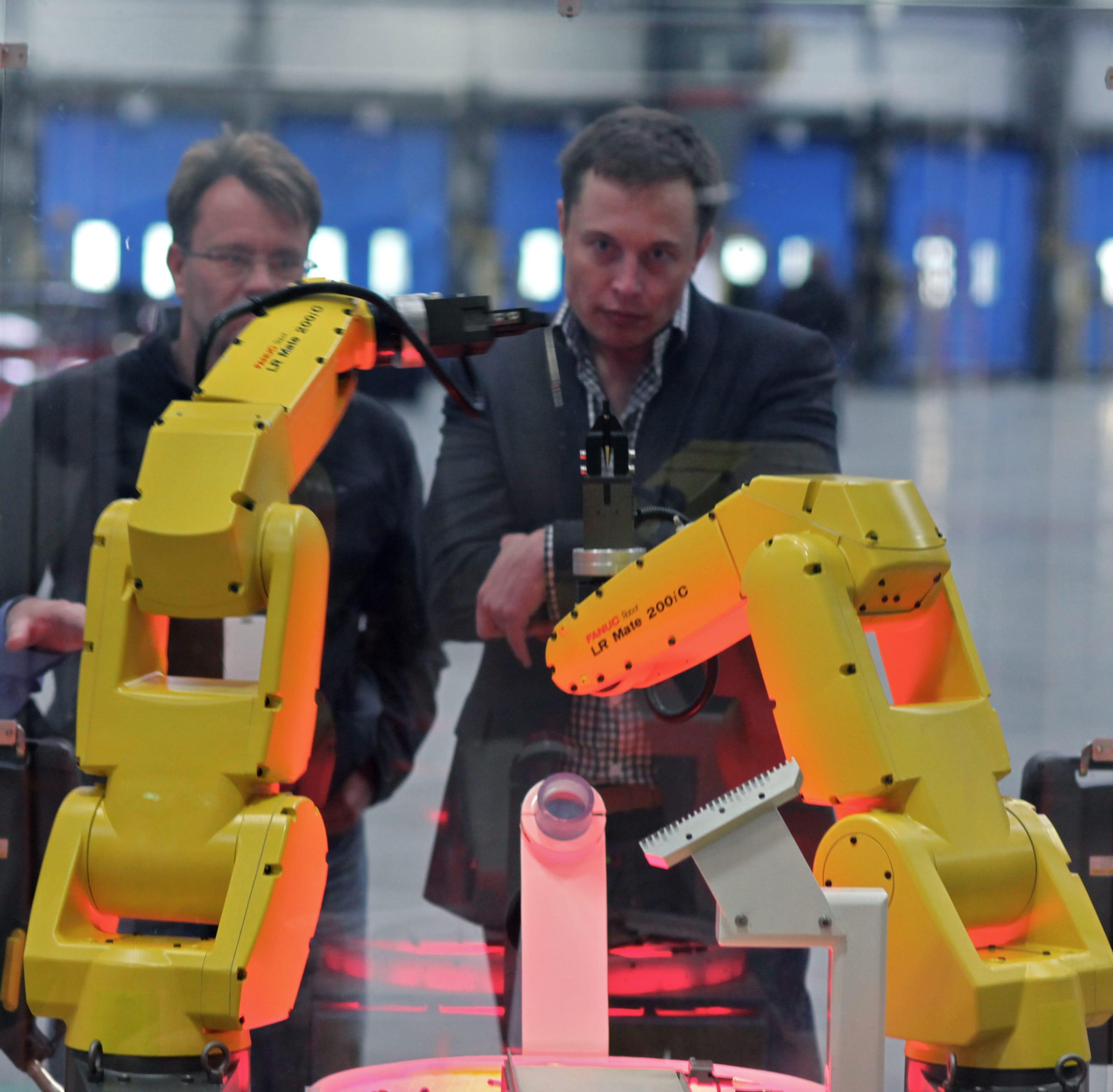
Few symbols of industrial transformation generate stronger reactions — admiration or resistance. That reaction has a name: fear of the unknown. And it's not irrational.
The idea this site runs on
Walk onto a factory floor and the resistance is everywhere — the operator who won't trust the new system, the team that nods at the new procedure and keeps doing it the old way. It's easy to call that people being difficult. Usually it isn't. They're being asked to change an operation nobody can fully see: processes that live in someone's head, data nobody trusts, output that depends on who's on shift. Changing what's invisible is a gamble, and they know it. The fear is rational.
So I don't start with the change. I start by making the operation legible — turning what people do into something visible, shared and repeatable. That's what standardization really is, and it's why it comes first: you can't safely change what you can't see, and you can't automate what you haven't standardized. The technical half has right answers you can buy. The human half — the one that gets the least planning and carries at least as much weight — is where projects are actually won or lost, usually at the seam where a sound system meets the people who never trusted it.
Industry 4.0 implementation studies that examined the human side
So how do you make an operation legible — and keep it that way?
Three ways into the same idea. Pick where you want to start.